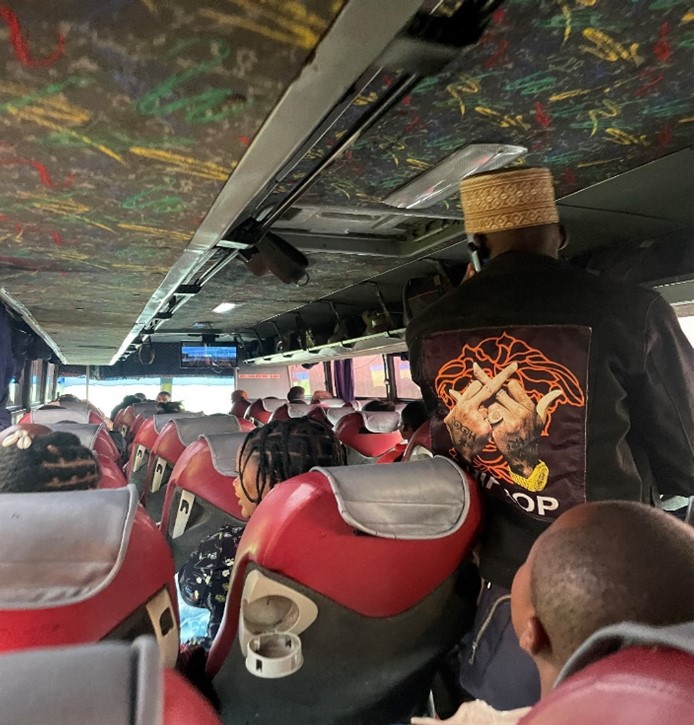
I’m half way through a seven hour transfer at Doha airport on my way back from Tanzania. After the heat and spices, the laughing bare footed kids, the banter and barter on the streets, the crazy stalls and markets, the rickety buses and dusty tracks, the vibrant colours, characters and chaos… this uber-shiny, monolithic, hyper-conformist, ostentatiously materialistic, glitz dripping airport, seems a little distasteful – and it costs $18 for a beer! I’ve settled for a $7 coffee and an attempt at writing blog number two.
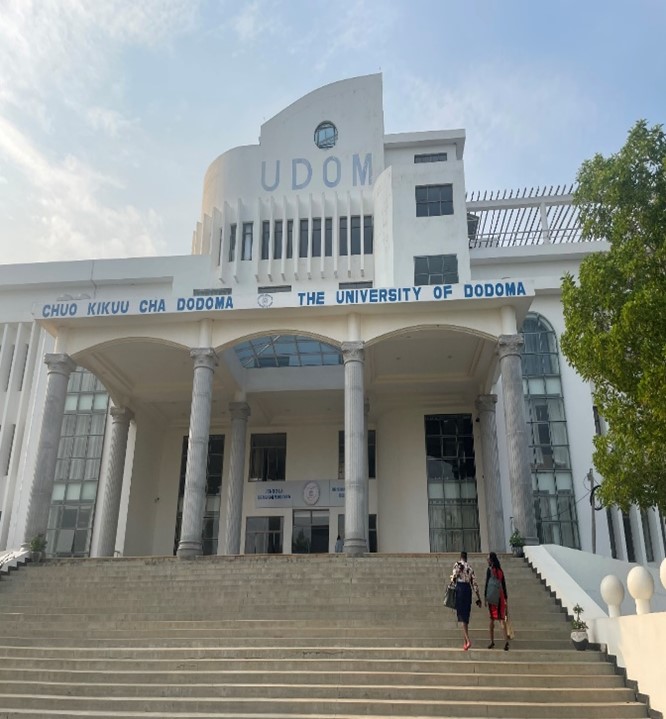
Technically, I was not in Tanzania to carry out research but to set it up. This is known as ‘approaching the field’. The actual research begins in September, when my proposal, ethical approval and permissions are all in place. My attempt at ‘approaching the field’ consisted of a whirlwind tour meeting academics and teacher trainers at several universities, policy makers at the Ministry, local authority administrators in various regions and headteachers, teachers and students at a range of rural and urban schools. It has been fascinating, daunting at times and often inspiring. Alongside the deep concern about the sheer scale of the challenges they face, there is a pervading sense of positivity and purpose.
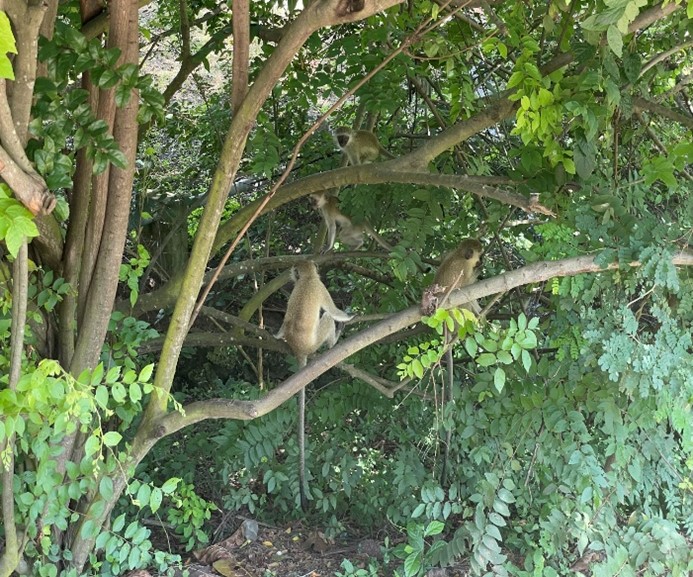
Tanzania itself is such a wonderful country to visit! The people are so warm, laid back, good humoured and humble and there’s a self-respect and dignity that I haven’t always found in other similarly poor and disadvantaged places. The geography is stunning and, of course, the wildlife.
The country has a proud history with a legacy stemming from Julius Nyerere the first post-independence President, of national pride and unity, of community, of mutual respect and most importantly of peace.

An abundance of natural resources and potential – agriculture, minerals, technological development, tourism – exist alongside huge challenges, dis-functional state structures and a stagnant cycle of poverty, especially in rural areas. The spurts of growth have been confined to specific sectors of the economy and have not been matched by an equivalent reduction in poverty. Most of the population still work in agriculture on a subsistence basis, have had little education and suffer from lack of health care or welfare support. Rural livelihoods and efforts to develop, diversify and gain market access, are further hampered by industrial monopolies, corruption and a chronic lack of infrastructure.
When progress has been made, it has not been at a sufficient pace or substance to keep up with the massive population growth. At independence in 1961 there were ten million Tanzanians. There are now over sixty million. This means that in many areas, despite significant developments, things are getting worse rather than better – and that’s before considering the effects of climate change. In secondary education, for example, where gross investment and capacity has been increasing every year for at least the last ten years and a serious attempt is being made at providing free access for all children of this age group, the investment level per child has actually decreased. Millions more children are in school than there were a few years ago, but perversely, far more children are also out of school than ever before.
The cyclical nature of the poverty trap is much in evidence here. It is well documented by the UN and others that – statistically – for every additional year a person spends in formal education, they will lead more prosperous and healthy lives and have fewer children. The problem is that most children in Tanzania have left school by the age of twelve, with the resulting restriction of knowledge and skills, lower employment prospects and a poor understanding of health, reproduction and self-reliance issues. Needless to say, they are likely to have many children, starting from a young age. The cycle of education poverty, is further exemplified through the demand for teachers growing faster than the numbers reaching the necessary level of education to be teachers – and on it goes.
My research will be focusing on this massive and urgent issue, this education crisis, this denial to millions of children of their basic human right – to have ‘access to quality education’. Meeting this challenge was embraced by the world community in 2015, with all countries signing up to the UN’s Sustainable Development Goal 4.1, (access to quality education for all children by 2030). We are now over half way through the timeline to achieve this and in Tanzania only about 50% of children enrol in secondary school, a third of whom drop out before completion. Even by sub-Saharan standards the number of ‘out of school children’ at secondary age in Tanzania is extremely high.
My research will be looking at the reasons behind this, what is being done about it and to what effect. I hope it will produce something of value for the education sector and contribute in some way towards breaking out of the cycle of education poverty in Tanzania – a context where the need could not be more compelling.
—————————————–
 Back to school Tanzania
Leave a comment