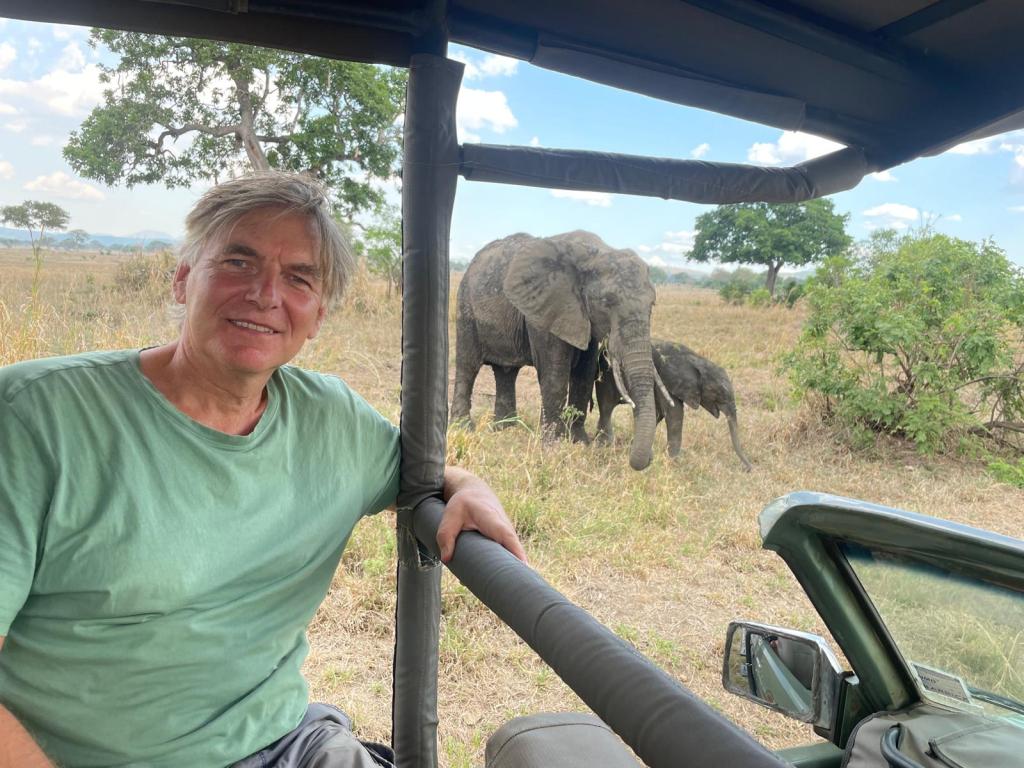
I have just completed the first stage of my field research into education in Tanzania, where only 49% of children attend lower secondary school, only half of whom complete through to graduation. The 25% completion rate is one of the lowest in the world, ahead of only Chad, Somalia and Afghanistan in the recent UN (GEM, 2024) report.
Perversely there are also more children attending lower secondary schools in Tanzania than ever before. There has been a big push, with enrolment going up 17% since the government committed to providing free secondary education ten years ago.
The number of ‘out of school’ children is still increasing, however, because of the high rate of population growth – recklessly encouraged by the previous president John Magufuli. The size of the lower secondary population has been increasing by about 200,000 pa in recent years, requiring over 200 new schools and over 5000 new teachers every year, just for the % enrolment stats to stand still! Imagine the outcry if we faced that scale of challenge in the (comparatively very wealthy) UK…
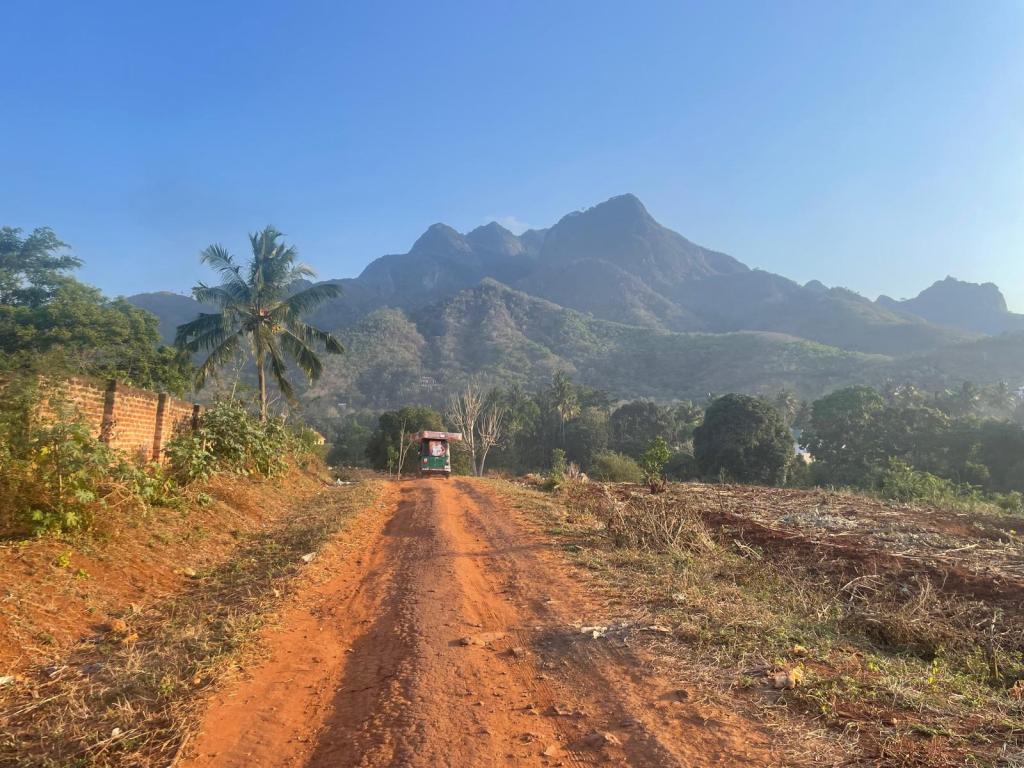
Unfortunately, Tanzania’s increased enrolment hasn’t been matched by improvements in the quality of education, which has arguably got worse in recent years – and that’s from a pretty low base. Increased access has resulted in large class sizes, extra pressure on resources and facilities and a shortage of teachers. There is also a strong correlation between such over-stretched and under staffed schools and low levels of professional standards and teacher morale. All in all a recipe for low learning outcomes. The U.N. report has a ‘quality of teaching / enrolment’ formula, which estimates that on average a Tanzanian child will receive in total the equivalent of only 4.5 yrs of education.
For my research into the constraints on ‘access to quality education’ I am using three research ‘instruments’.
- A documentary review of the relevant government statements, plans, policies and reports.
- A series of semi-structured interviews and forums with a range of senior educationalists. (I have now done the 1 – 1 interviews and will return next year to present my findings and further the discussions at a series of regional forums).
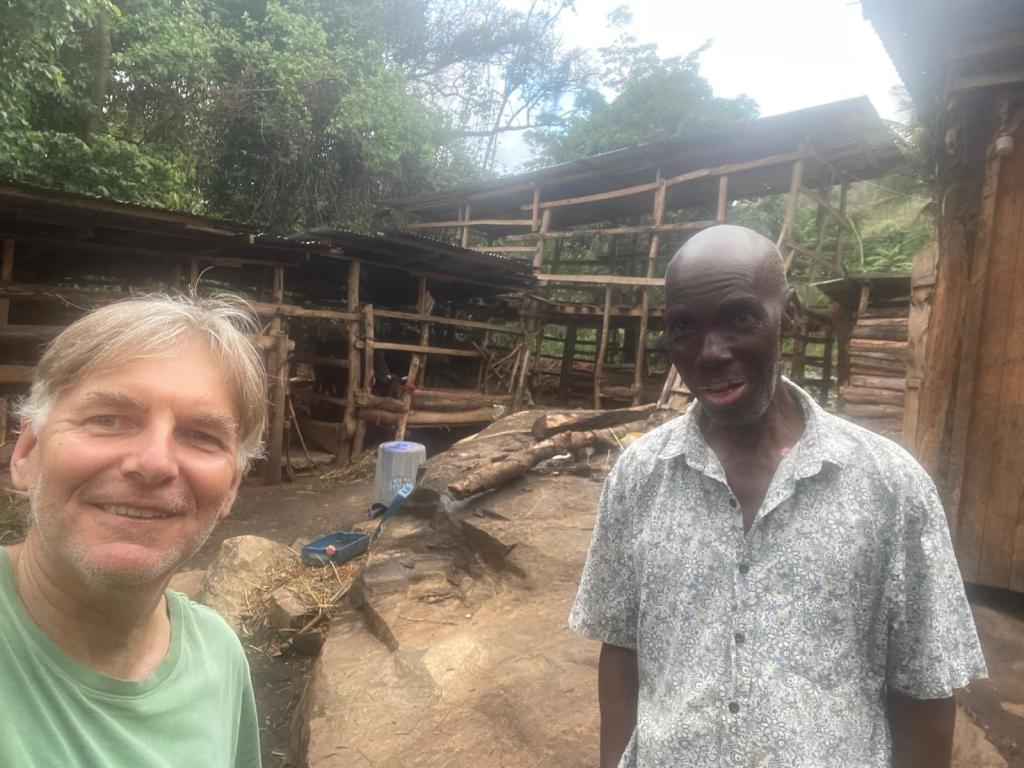
- My own observations of the education system in practice. This is a less formal research method but has been very informative – through visiting ministries, universities, funding institutions, NGOs, administrative centres and schools and informally meeting civil servants, CEO’s, school and community leaders, teachers, students and parents.
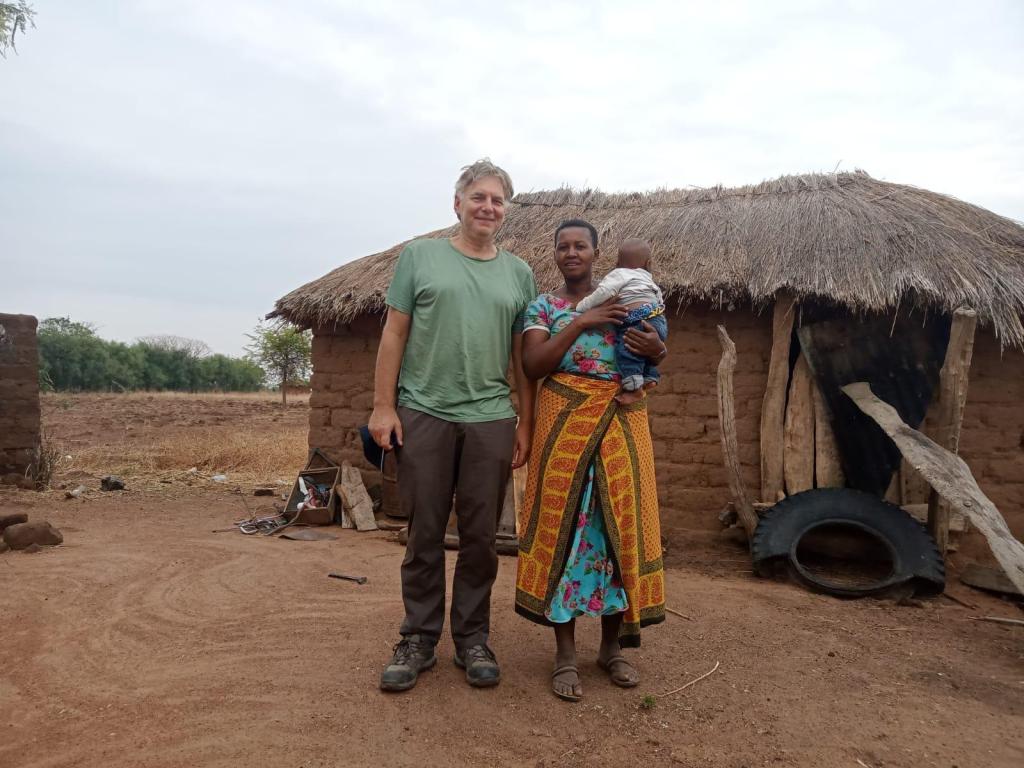
The documentary review and interviews (36 so far) have given me a good understanding of the educational purpose and intentions within the political / administrative sphere and of the challenges and constraints of implementation. My direct experience and observations have given me a better understanding of the broader Tanzanian context and culture within which the education system exists and operates.
Each of the different aspects of my field work have pointed me towards the need to focus more on the critical role of the national education system itself – to critically explore its structures, procedures and professional working culture and the constraints within it that are limiting further progress.
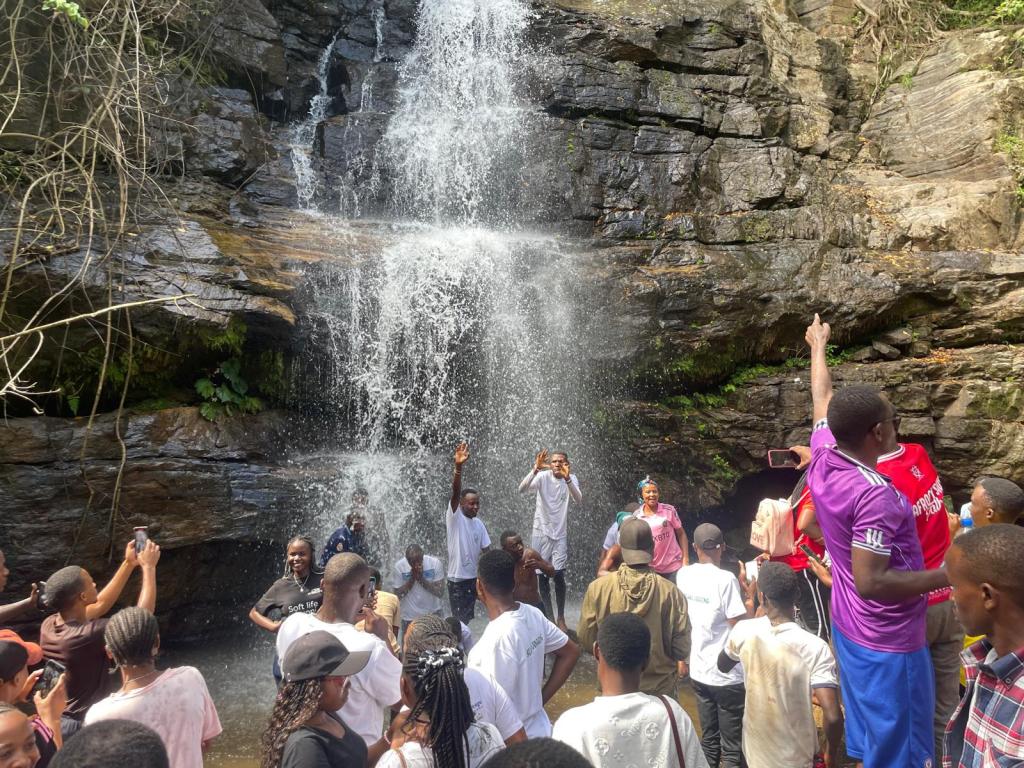
It has been a fascinating three months, with the highlight being my interviews with a number of influential Tanzanian educationalists, who have generally welcomed the research that I’m doing and have been forthright in sharing their experiences and views. (The process of setting up these meetings and experiencing first-hand the Tanzanian attitude towards timekeeping and ‘arrangements’ and the constant change and movement and ad-hoc nature of their ‘schedules’- has been an education in itself!)
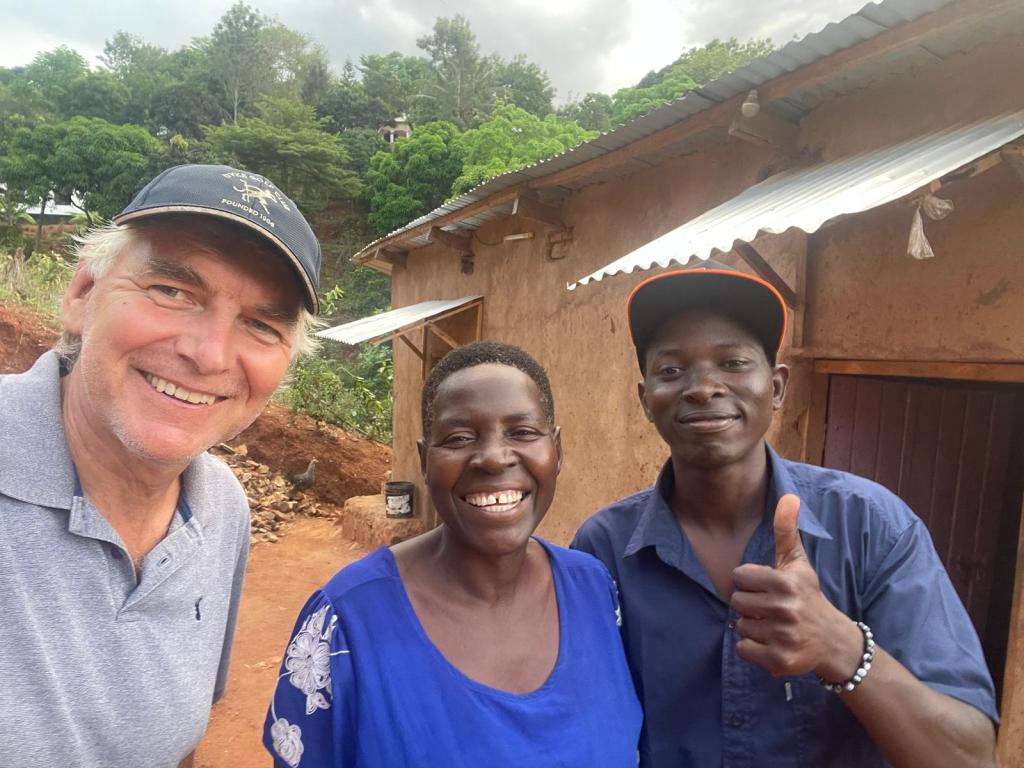
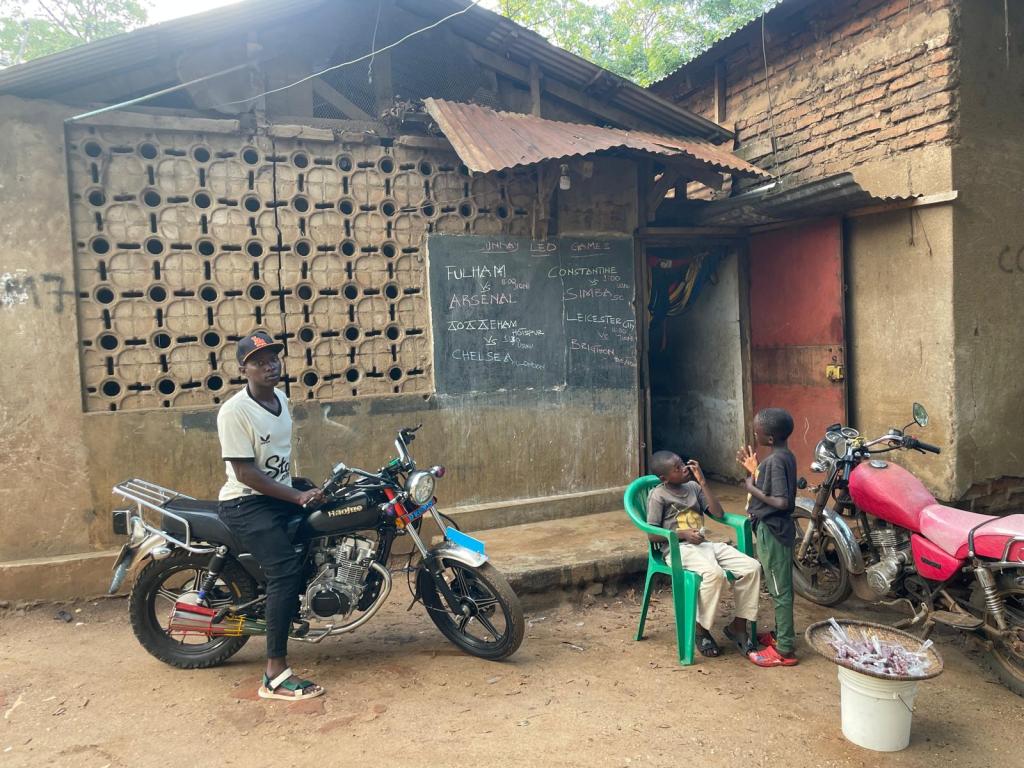
I have also learnt a great deal from staying with a family in a mountain village near Morogoro and from the snippets of life – sitting on buses, reading the newspaper, going to a conference, joining a group of school leaders on a night out, shopping in the market, day trips with University students, witnessing the (very public) berating of hotel staff, watching football in a bar – which all become part of my field research ‘data’.
I’m now heading back to the UK to analyse the data and identify the key themes. I’m not expecting huge surprises because the ideas are constantly developing, but it will be fascinating to play back the recordings for the detail – did he actually say that? – did she just contradict herself? – what was he really getting at there? – and to read back over my observations – a 50 page ‘Research Journal’ full of random thoughts soon to be discarded and lots of expletives, but hopefully also a useful first hand record of a fascinating journey of discovery.
It’s been a long haul – at times as frustrating as it has been inspiring – but definitely worth it and of course a real privilege to be spending time on this critical and urgent issue and to be meeting and questioning some of Tanzania’s key educational stakeholders. Despite the abrasive and at times confrontational interview approach I have adopted; my interviewees have been encouraging and friendly. They display passion and ambition for their work, which they approach with diligence in a context that constantly throws up severe challenges.
 Back to school Tanzania
Leave a comment